4.9/5
Average Parent Rating
WOLCA homepage: See Why Families Choose WOLCA
If strong academics, structure, and long-term readiness matter deeply to your family, Word of Life Christian Academy is built around those same priorities.
Choosing the right school is about more than whether a child is doing fine right now. Parents often look for an environment that builds confidence, discipline, and lasting academic habits over time.
Below, you will see how WOLCA supports students through strong academics, structure, personal attention, and character development.
Pulled from publicly visible WOLCA content.
4.9/5
Average Parent Rating
WOLCA homepage: See Why Families Choose WOLCA9-12
Students Per Class
WOLCA homepage: Distinguished Programming48 Years
Academic Excellence
WOLCA homepage: Distinguished ProgrammingVideo Testimonial
Use this visible proof wall to reinforce outcomes and replace placeholder cards with verified parent or alumni quotes as they are approved.
Section 2
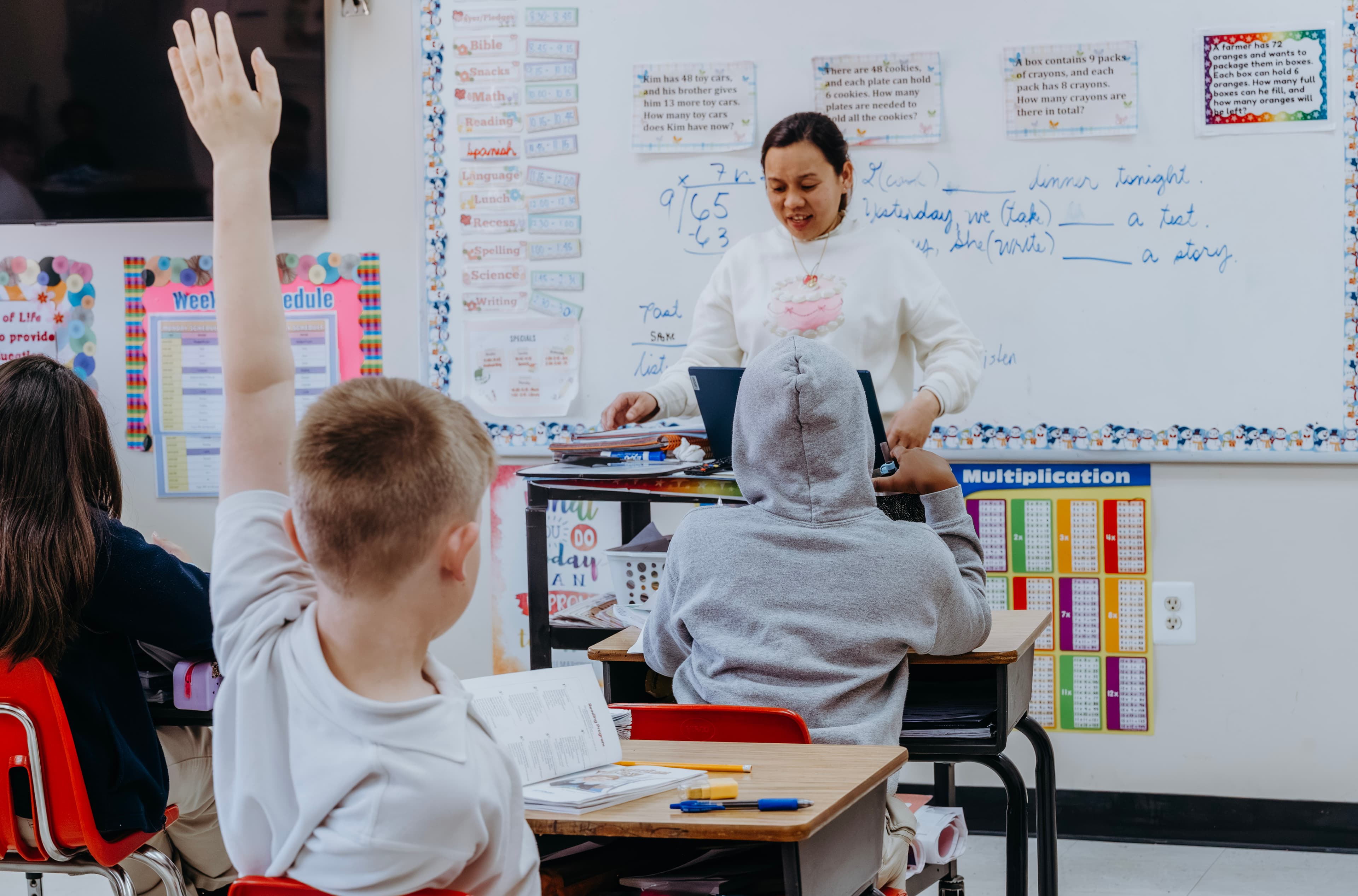
Many parents can already see their child is capable. The deeper question is whether the current learning environment is helping that potential become consistent progress, steady confidence, and stronger performance over time.
Section 3
Academically focused families often want to understand exactly how learning is guided, measured, and strengthened. Clarity builds trust because parents can see the structure behind student growth.
Students know what mastery looks like in reading, writing, and math, so growth is intentional rather than accidental.
A steady pace of instruction, practice, and review helps students build confidence through repetition and progress.
Families can evaluate growth through outcomes that reflect both daily discipline and long-term readiness.
Section 4
Academically focused parents often ask whether a school environment will consistently support focus, discipline, and readiness. A structured rhythm helps students know what to expect and how to succeed.
Clear routines reduce distraction and help students stay engaged with meaningful learning.
Steady standards encourage accountability and build habits that carry into higher grades.
A predictable environment helps students ask questions, practice, and improve with less anxiety.
Section 5
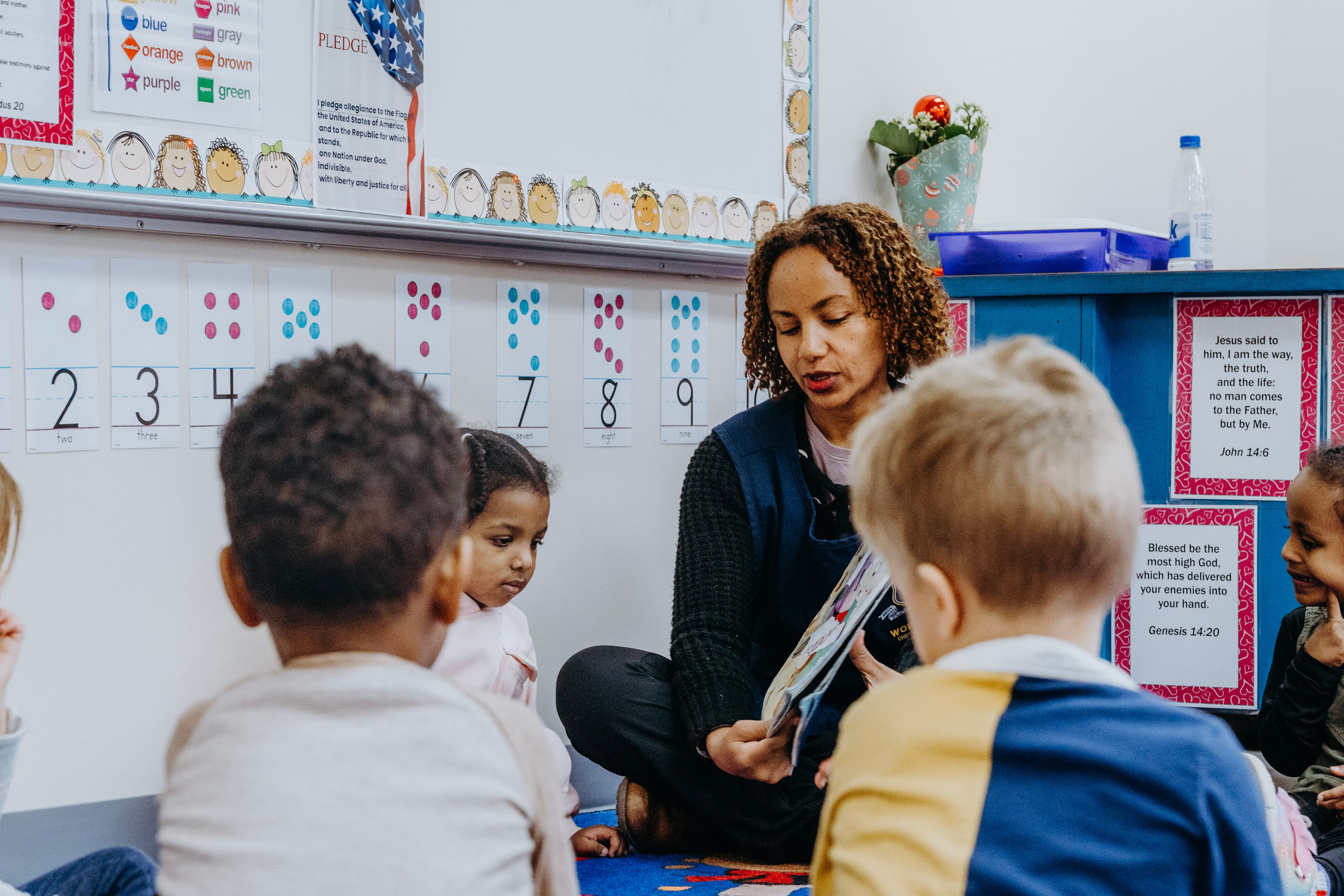
When students are known personally, teachers can respond earlier, guide more intentionally, and support growth with greater precision. This balance of challenge and support helps students develop both confidence and mastery.
Section 6
Elementary and middle school years shape how students study, think critically, and respond to challenge. Early formation in these years often determines long-term confidence and academic momentum.
Students develop routines for focus, preparation, and follow-through that support advanced work later.
Incremental challenge helps students build resilience instead of avoiding difficult material.
Families gain confidence knowing current growth is preparing students for high school and beyond.
Section 7
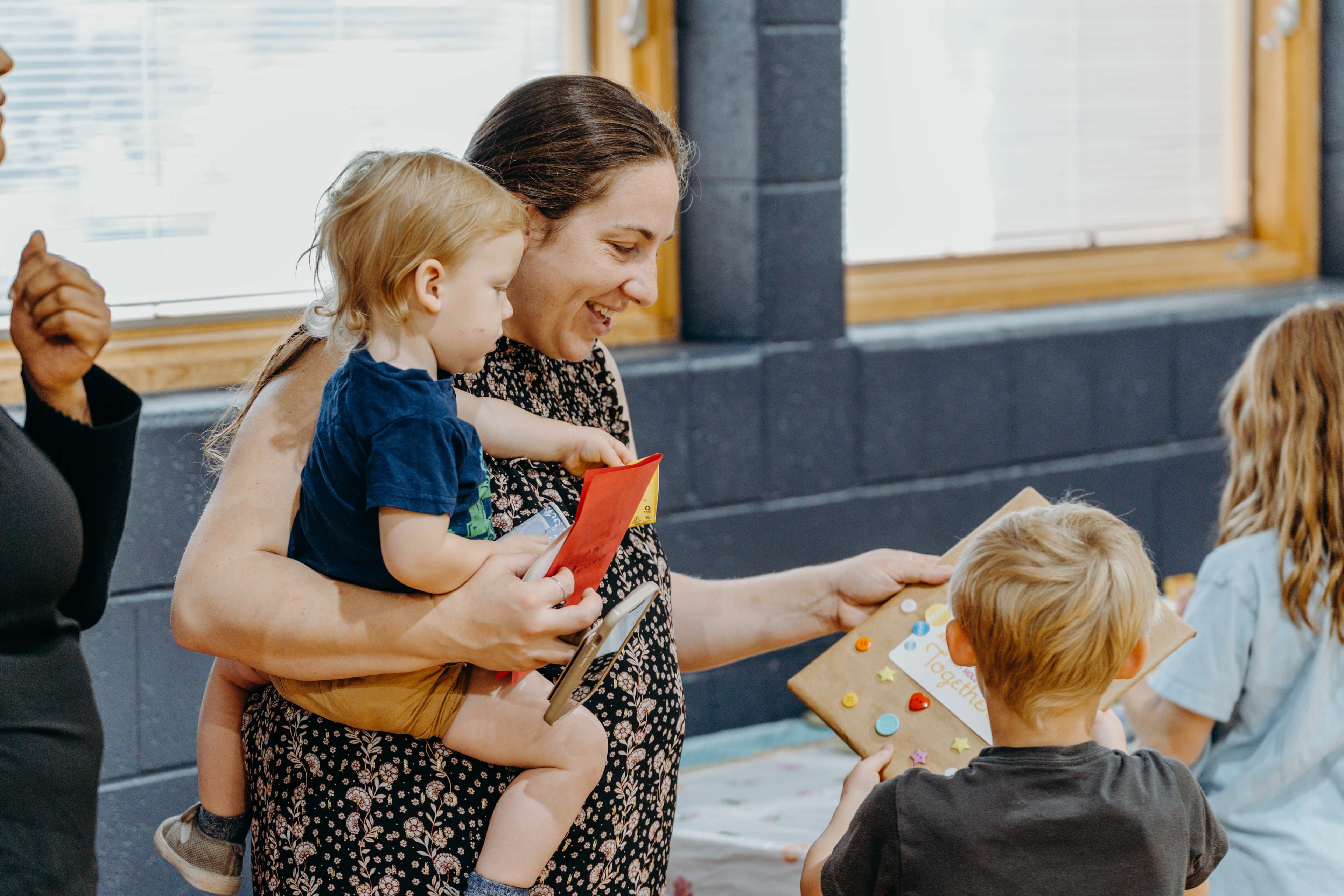
Families often want more than strong grades. They want students to develop maturity, responsibility, and integrity alongside academic progress, so success is sustainable and deeply rooted.
Students are encouraged to pursue excellence with discipline and consistency, not short-term pressure.
Growth in conduct, respect, and personal responsibility helps students carry their achievement with humility and purpose.
Section 8
For many parents, this model aligns with values they already hold about long-term development. The list below reflects the priorities families often describe when seeking a stronger educational fit.
The elementary and middle school years shape more than report cards. They shape how students think, how they study, how they respond to challenge, and how prepared they feel for what comes next.
That is why academic environment matters so much. For families who care about strong academics, structure, character, and future readiness, Word of Life Christian Academy offers an approach where those priorities are meant to work together, not compete with one another.