Smaller Classes
More room for teachers to know each student and respond with care.

At Word of Life Christian Academy, students learn in a smaller, structured environment where clear expectations, individual attention, and strong character development help children feel supported and ready to thrive.
Many parents are not just looking for a better academic experience. They are looking for peace of mind. They want to know their child is not being lost in the crowd and that school feels steady, supportive, and safe each day.
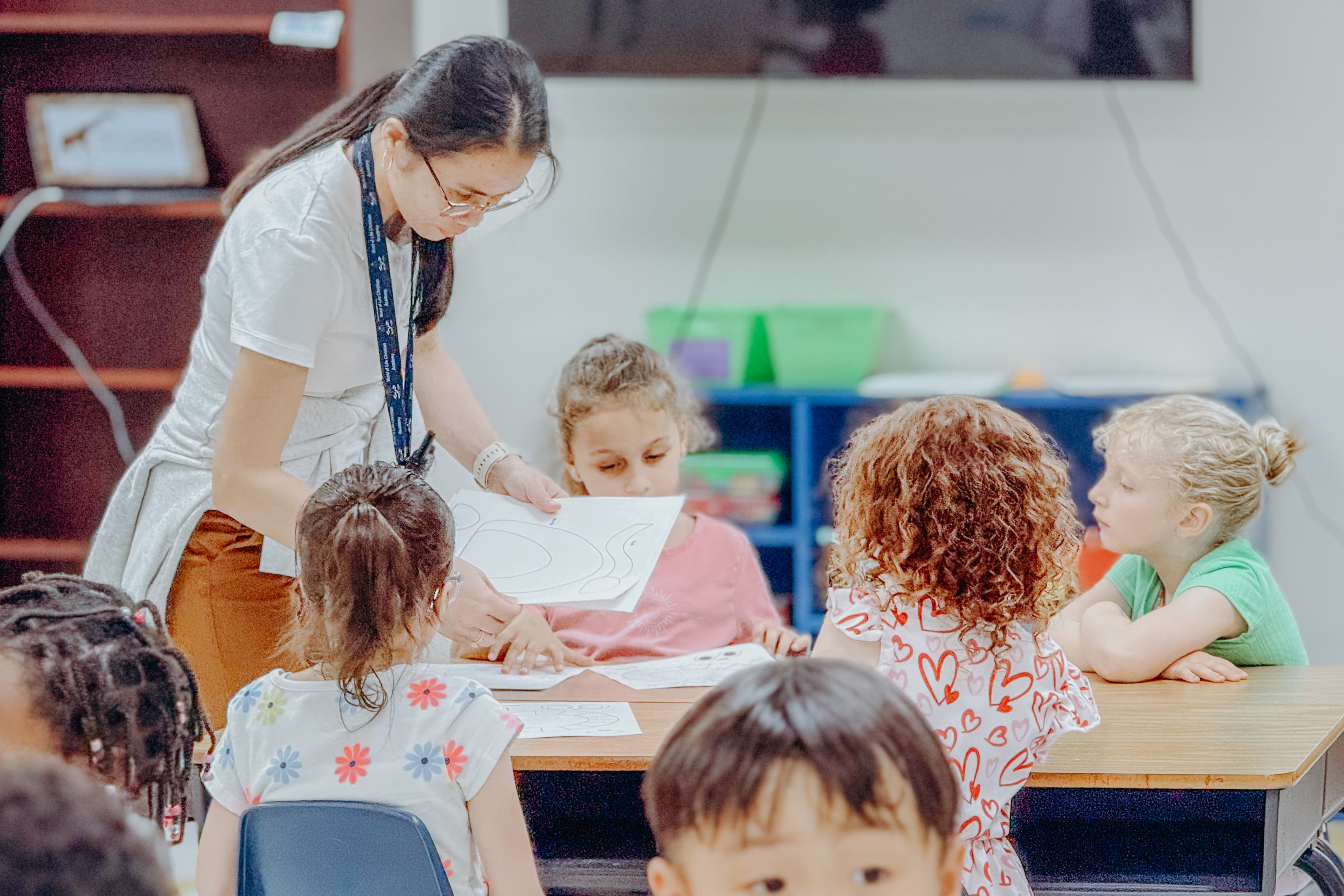
More room for teachers to know each student and respond with care.
Consistent routines and expectations that help students feel steady.
Academic, social, emotional, and spiritual growth all matter.
Pulled from publicly visible WOLCA content.
4.9/5
Average Parent Rating
WOLCA homepage: See Why Families Choose WOLCA9-12
Students Per Class
WOLCA homepage: Distinguished Programming48 Years
Academic Excellence
WOLCA homepage: Distinguished ProgrammingVideo Testimonial
These quotes and placeholders are structured to help your team present social proof without relying on low-engagement carousels.
Section 2
Many parents know the feeling of watching their child struggle in an environment that feels too crowded, too inconsistent, or too disconnected. Sometimes the concern is academic, social, or the quiet fear that no one notices when something is wrong.
That is one reason safety and structure matter so much. When children feel overlooked, they can begin to withdraw. When expectations are unclear, school can feel stressful instead of steady. Parents who care about safety are not overreacting. They are paying attention to the kind of environment their child spends hours in every day.
Section 3
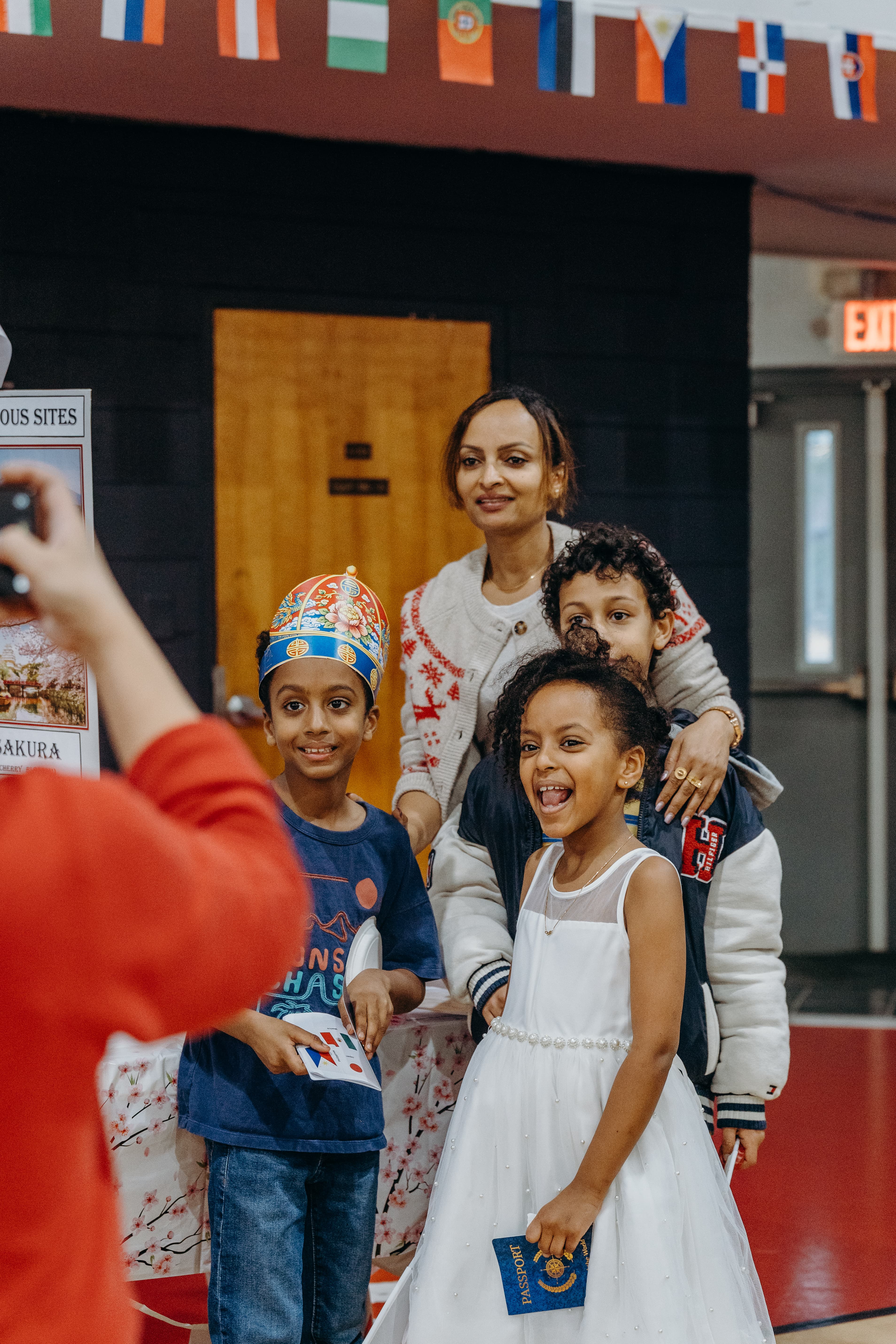
Safety is not only about supervision or security measures. It is also about what a child feels when they walk onto campus each day.
For many families, this kind of safety matters because children tend to grow best where they feel secure enough to focus, participate, and build confidence.
Do they feel known?
Do they feel supported?
Do adults seem attentive?
Does the environment feel steady enough to learn?
Section 4
Some children struggle not because they cannot learn, but because the environment around them feels too inconsistent.
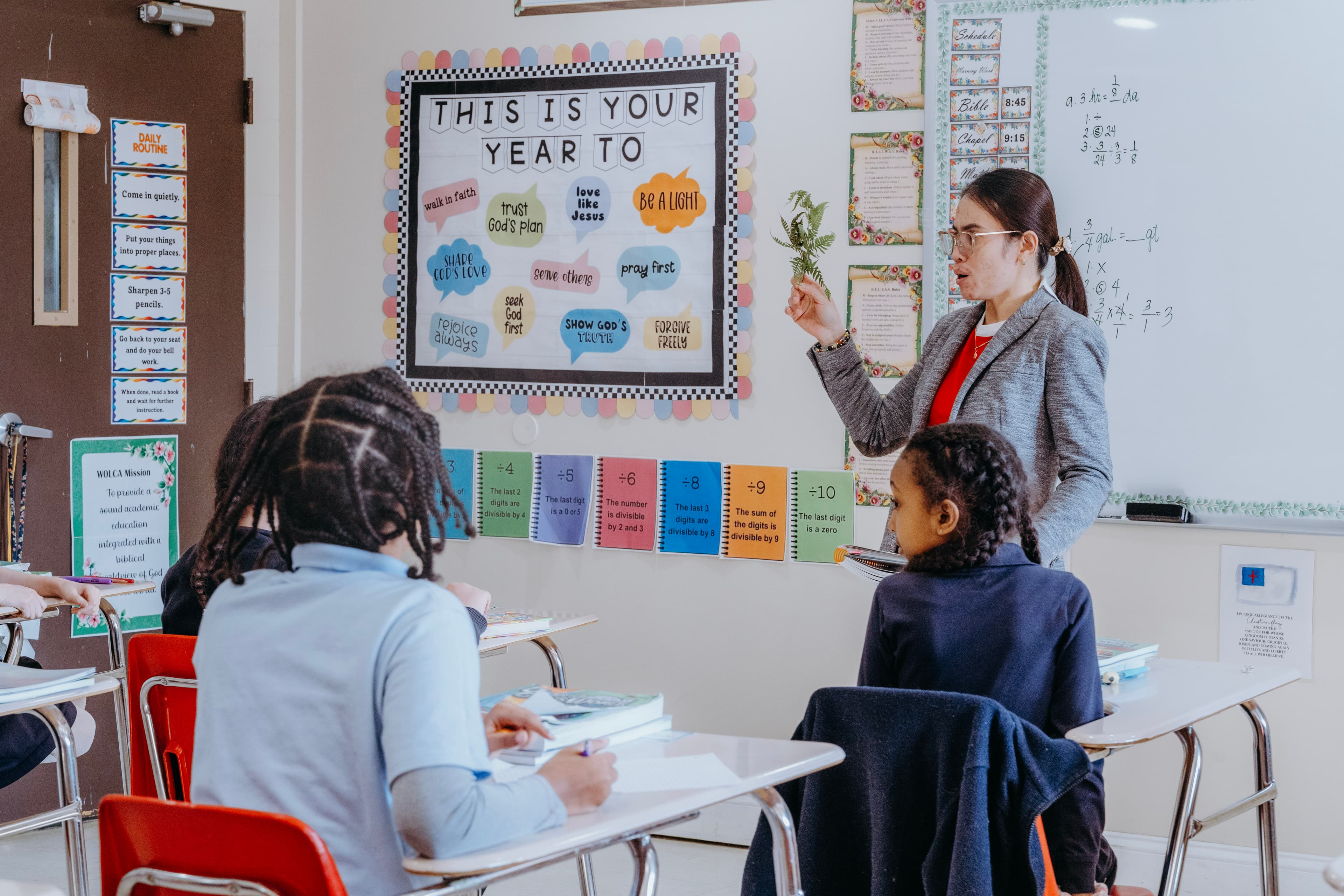
When routines are clear and expectations are steady, many students do better. Structure can reduce anxiety, improve focus, and help children understand what is expected each day. That consistency also helps parents, building confidence and trust that children are being guided in a thoughtful and steady way.
Section 5
One of the biggest worries parents have is that their child will fall through the cracks.
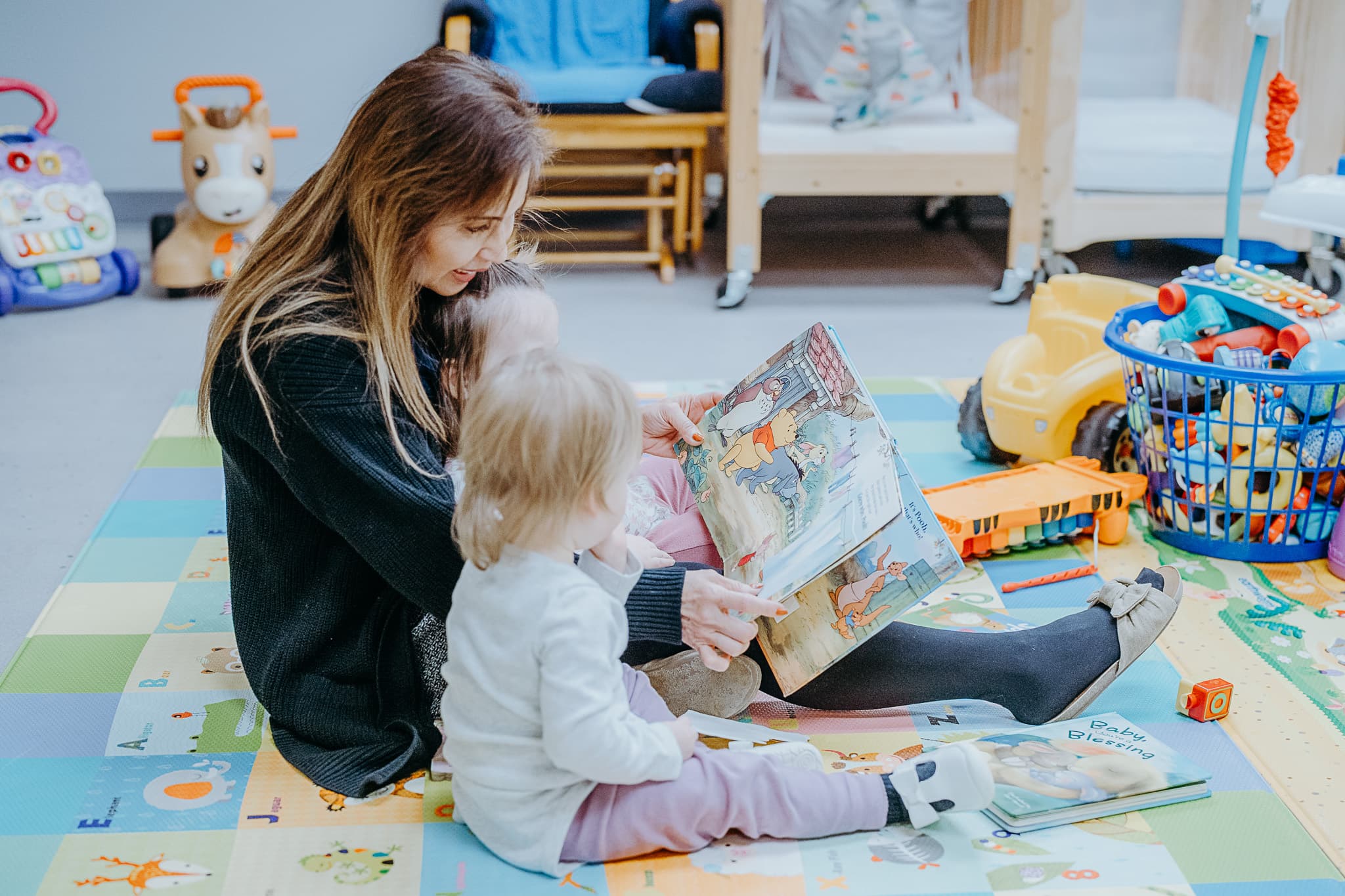
That risk often increases when classrooms are crowded and attention is stretched thin. Smaller classes can make a meaningful difference by giving teachers more room to notice strengths, encourage growth, respond to challenges, and build stronger relationships with students over time.
For many parents, individual attention is not a bonus. It is part of what helps a child feel safe, supported, and able to thrive.
Section 6
Parents often want more than a school that simply manages problems. They want a school that helps build character.
That means helping children grow in respect, responsibility, self-control, and the ability to relate well to others. A school culture built around character can influence the tone of the entire environment, making expectations clearer, relationships stronger, and day-to-day experience more grounded and trustworthy.
Section 7
Children are not the only ones affected by school culture. Parents feel it too.
When families constantly wonder if their child is okay, that stress follows them through the day. But when parents feel confident their child is in a place with clear expectations, smaller classes, and caring adults, that changes things.
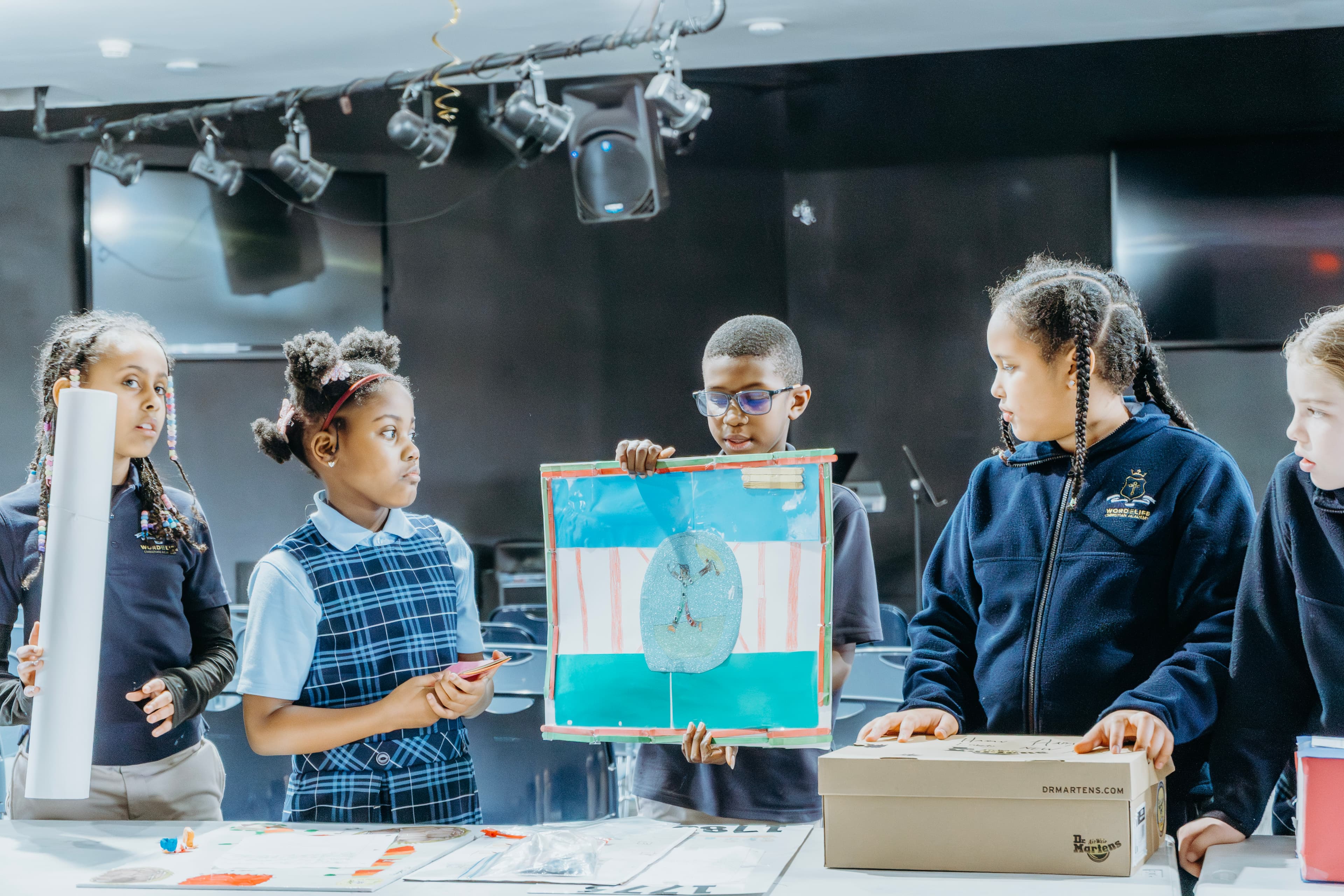
Confidence in the school environment can ease the daily stress many parents quietly carry.
Clear routines, caring adults, and a more structured setting help families feel more secure.
That peace of mind often shapes the whole family, not just the child in the classroom.
Section 8
If those priorities sound familiar, you are not alone. Many families are looking for a school experience that feels more personal, more structured, and more supportive.
Q1
Smaller classes can make it easier for teachers to notice needs early and give students more personal support.
Q2
A more personal environment helps families feel their child is seen, known, and not overlooked.
Q3
Consistent routines and clear boundaries often help students feel steady and ready to learn.
Q4
Children usually thrive when they feel both protected and emotionally supported throughout the day.
Q5
Strong teacher-student relationships can improve confidence, communication, and day-to-day growth.
Q6
Many families want a school that builds both learning habits and character foundations together.
Q7
Peace of mind often comes from a calm, consistent setting where students feel secure and supported.
Section 9
A strong school environment does more than keep children busy during the day. It shapes how they feel, how they learn, how they relate to others, and how confident they become.
For the Safety and Structure Parent, school is not just about academics. It is about making sure a child is in an environment where they can feel secure, guided, and cared for. Word of Life Christian Academy represents the kind of school experience many families hope to find: personal attention, steady expectations, character development, and care for the whole child.